
A philosophy for conscious living.
We believe that a healthy and happy life grows out of our connection to our human essence. We find this connection in our relationship with our bodies, our thoughts and emotions, with other people and with nature.
In everyday life, this connection can fade into the background. We are surrounded by information, expectations and stimuli. This makes places where we can pause, become present and find our way back to ourselves all the more important.
The spaces we spend time in shape our perceptions, our feelings and our experiences. They are part of how we move, how we meet one another and how we grow as individuals.
We see architecture as a medium that can support this connection. Our starting point is always human experience.
We create space in the outer world, where our inner world finds its space.
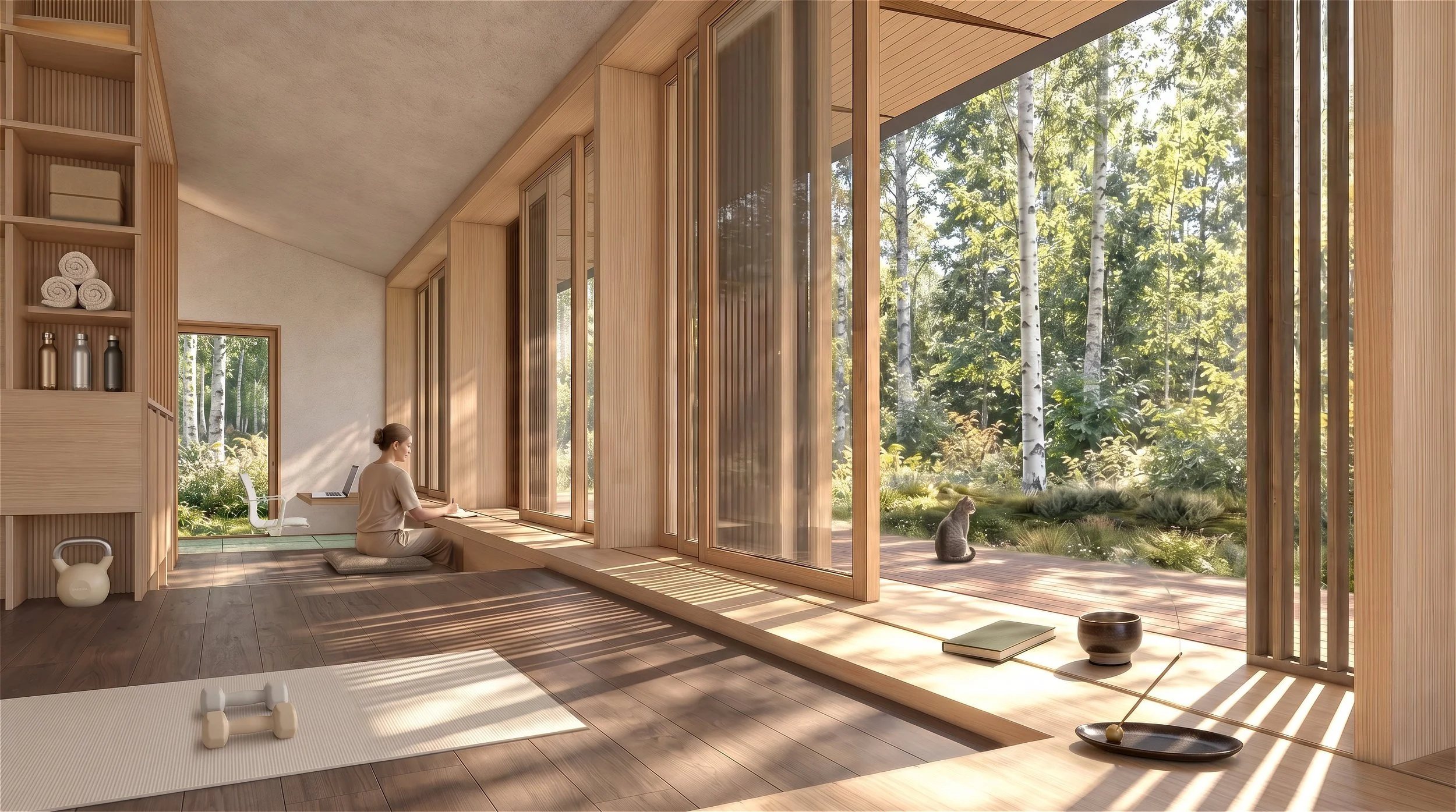
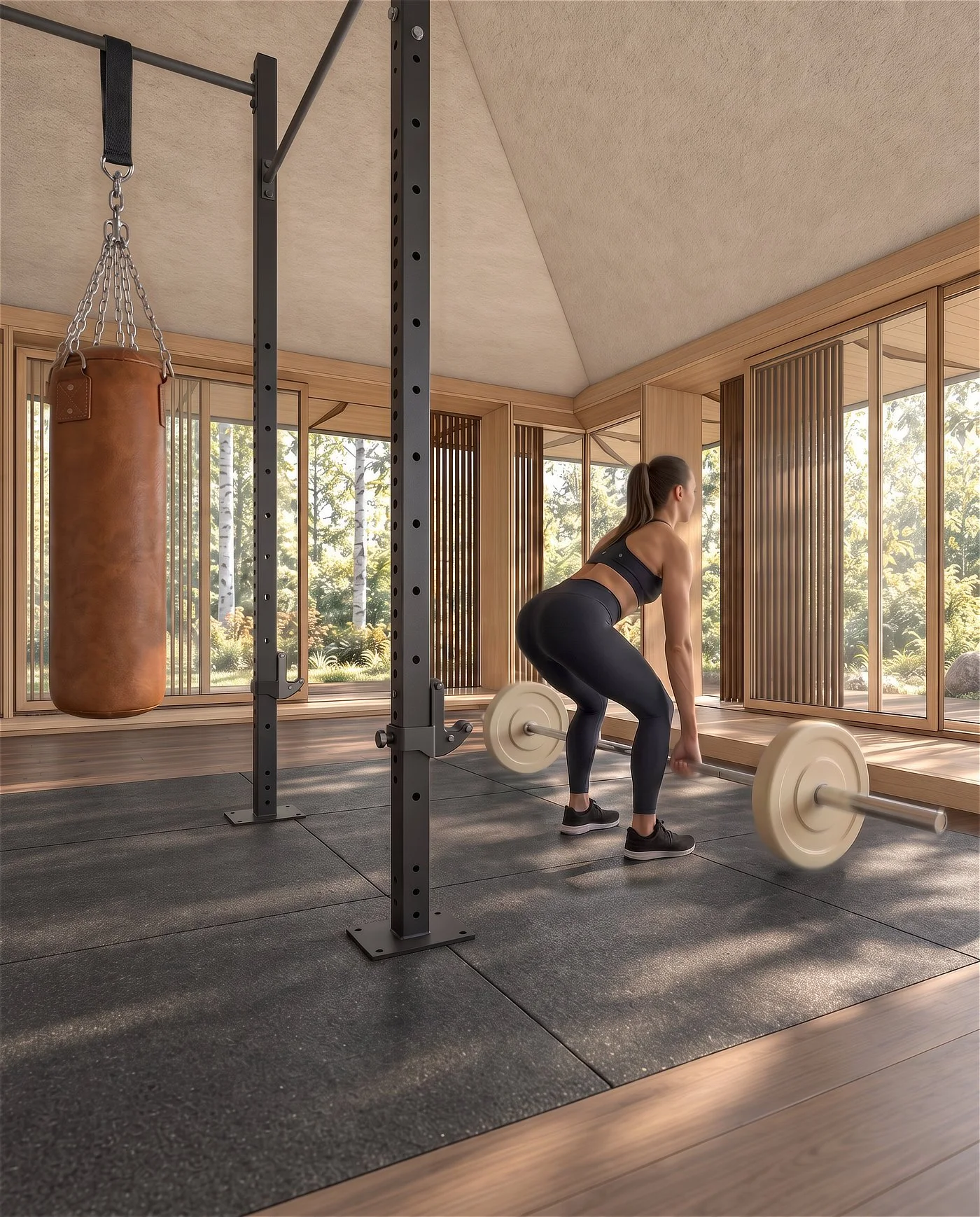
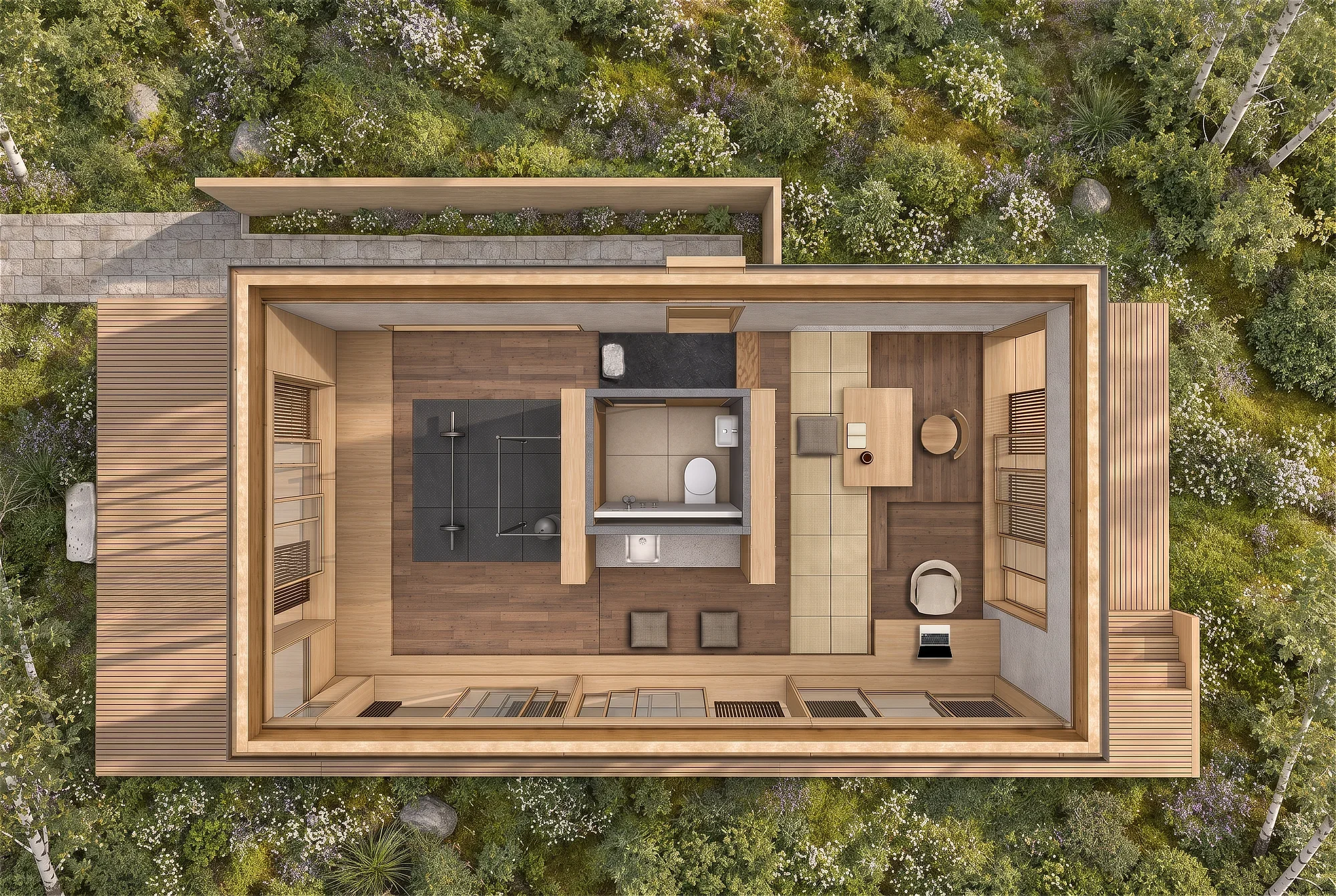
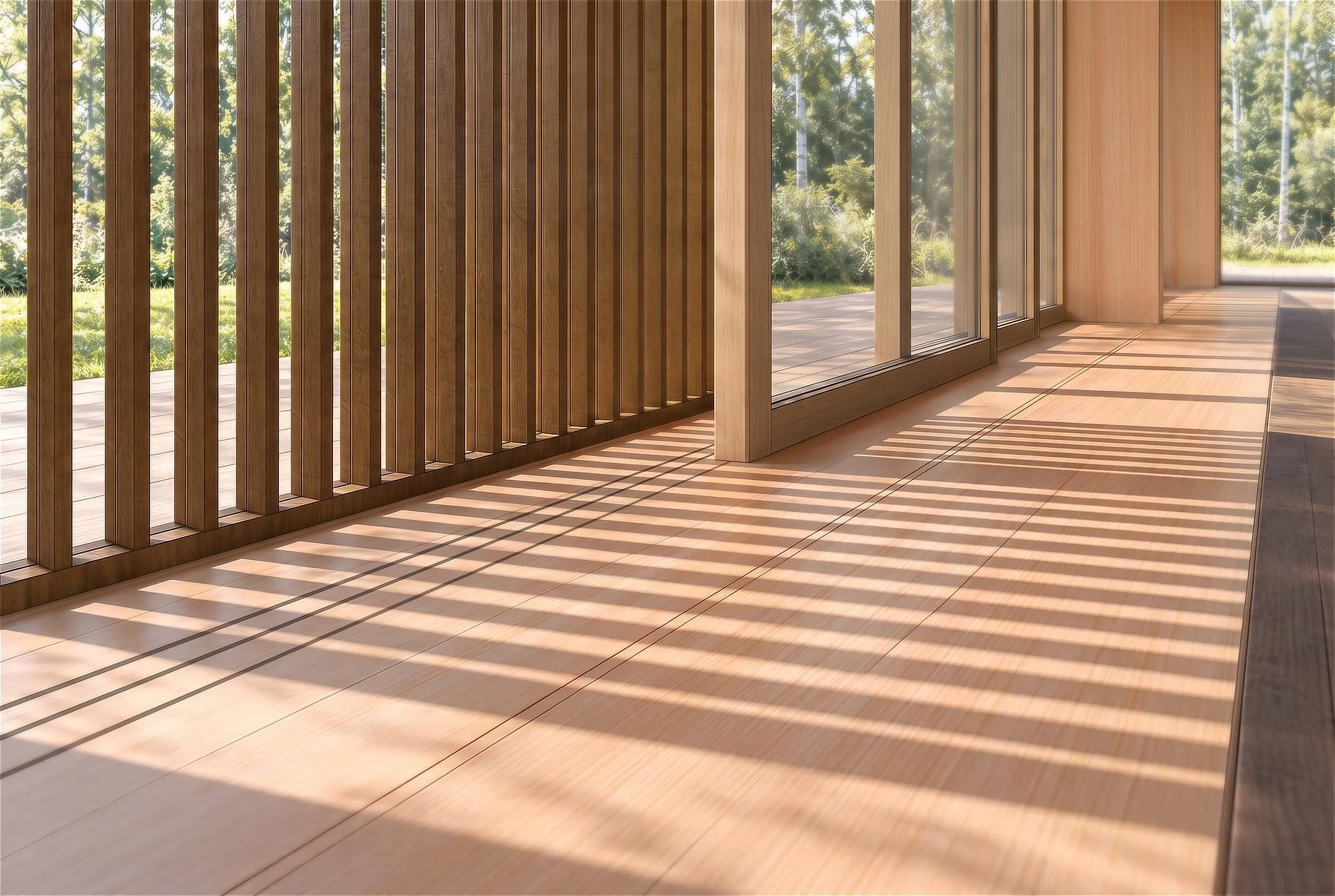
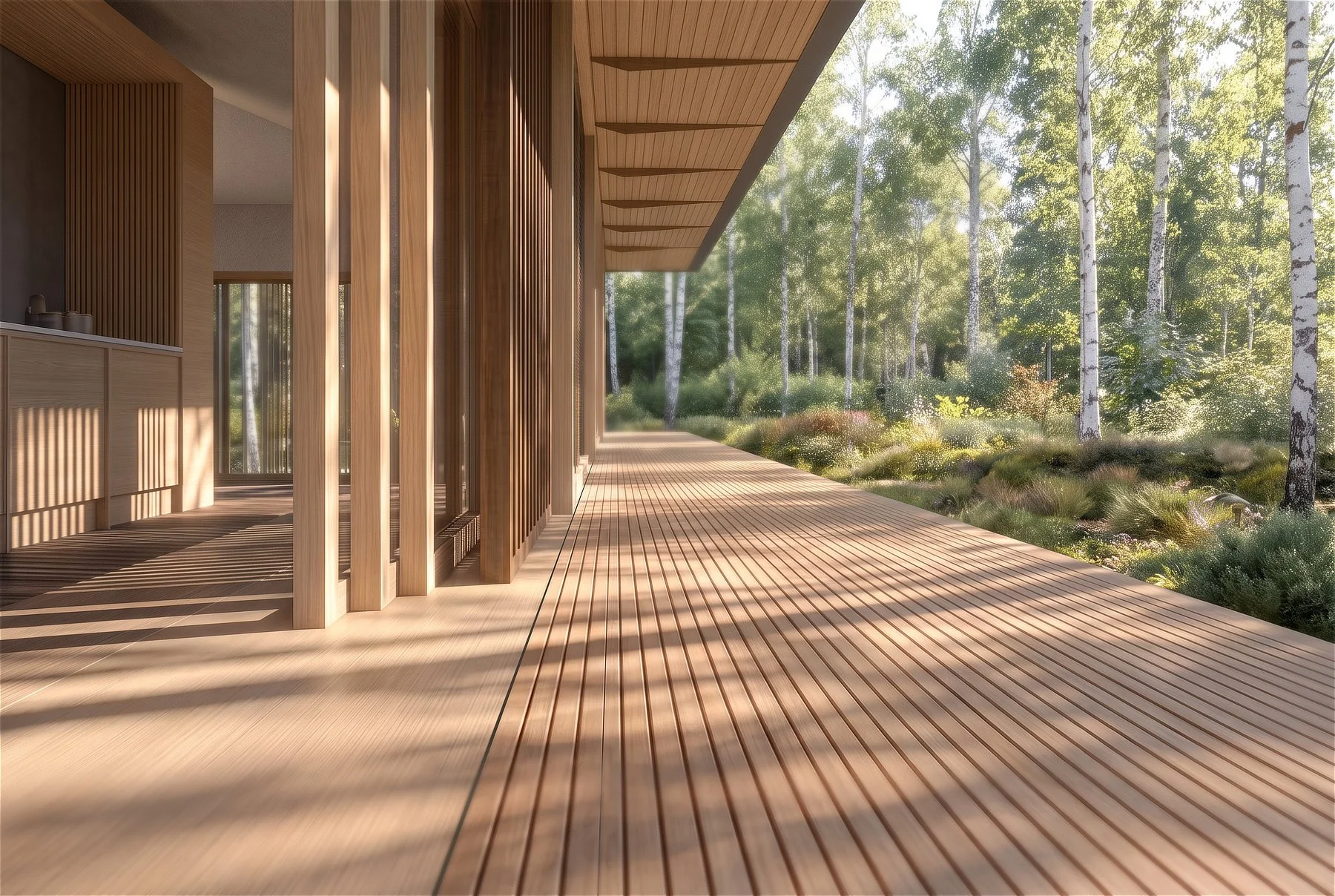
This series of images shows our Garden Studio design study. The views were visualised using AI.
Human essence
Body, mind and soul are closely intertwined. How we feel physically influences our thoughts and emotions, and our inner experience in turn affects our bodies.
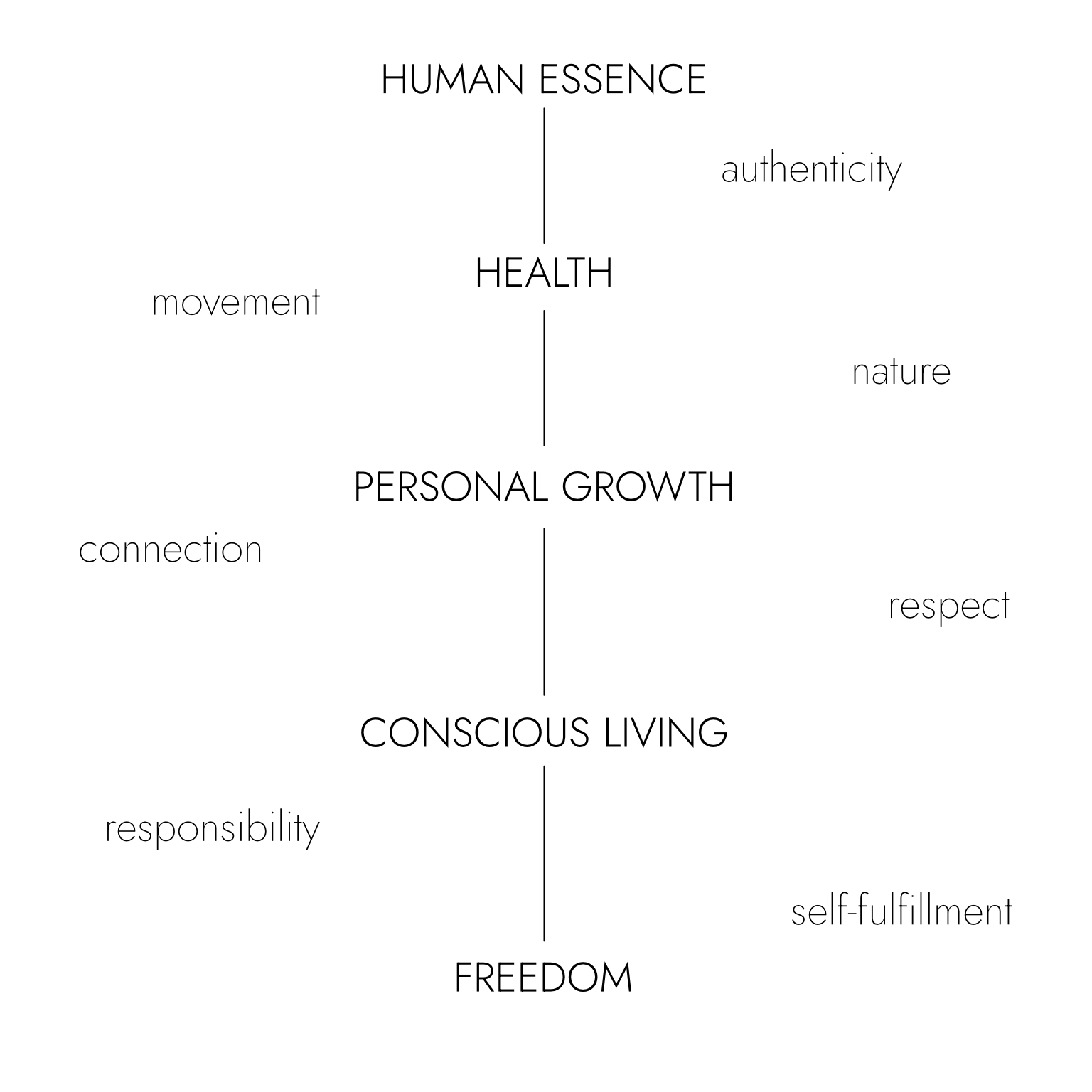
For us, holistic health arises from the interplay of these dimensions. We therefore see movement, personal growth and connection as three pillars of human health.
Movement
Through movement, we experience our bodies and discover what they are capable of. We come to know our limits, develop trust in our own abilities and experience self-efficacy firsthand.
We give the body the freedom to unfold, and with it the mind. Self-determination and freedom grow from the experience of being able to make a difference through our own actions.
Personal growth
We see self-reflection and attention to our own growth as expressions of self-love. From this, understanding and compassion can grow, both for ourselves and for those around us.
To give our thoughts and feelings room, we need moments of stillness. A place that feels safe, calm and clear can create the conditions for personal growth.
Connection
Emotional connections give our lives meaning and colour. Through them, we experience closeness, trust and a sense of belonging.
We see ourselves as part of nature, connected to other living beings. From this awareness grow empathy, tolerance and respect for people, animals and our environment.
For us, connection also means being in the here and now, attentive to ourselves and to the life around us.
Consciousness, responsibility and freedom
To live consciously is to pay attention to both our inner and outer worlds. This includes our needs, thoughts and emotions, as well as the people and surroundings with which we share our lives.
Some circumstances are beyond our control. Even so, we can recognise where we have room to act and choose consciously how to use it. What we consume, what we surround ourselves with and what we give our time to all shape our daily lives.
Time is our most precious resource. We cannot create more of it. We want to encourage people to discover their own self-efficacy and to make choices that reflect their needs and values.
We experience freedom in moments when we are present. When we can breathe freely, unfold and feel alive. Spaces can make room for these moments.
In shaping our surroundings, we also take responsibility for the materials and resources we use, for people and other living beings, and for the world we are part of.
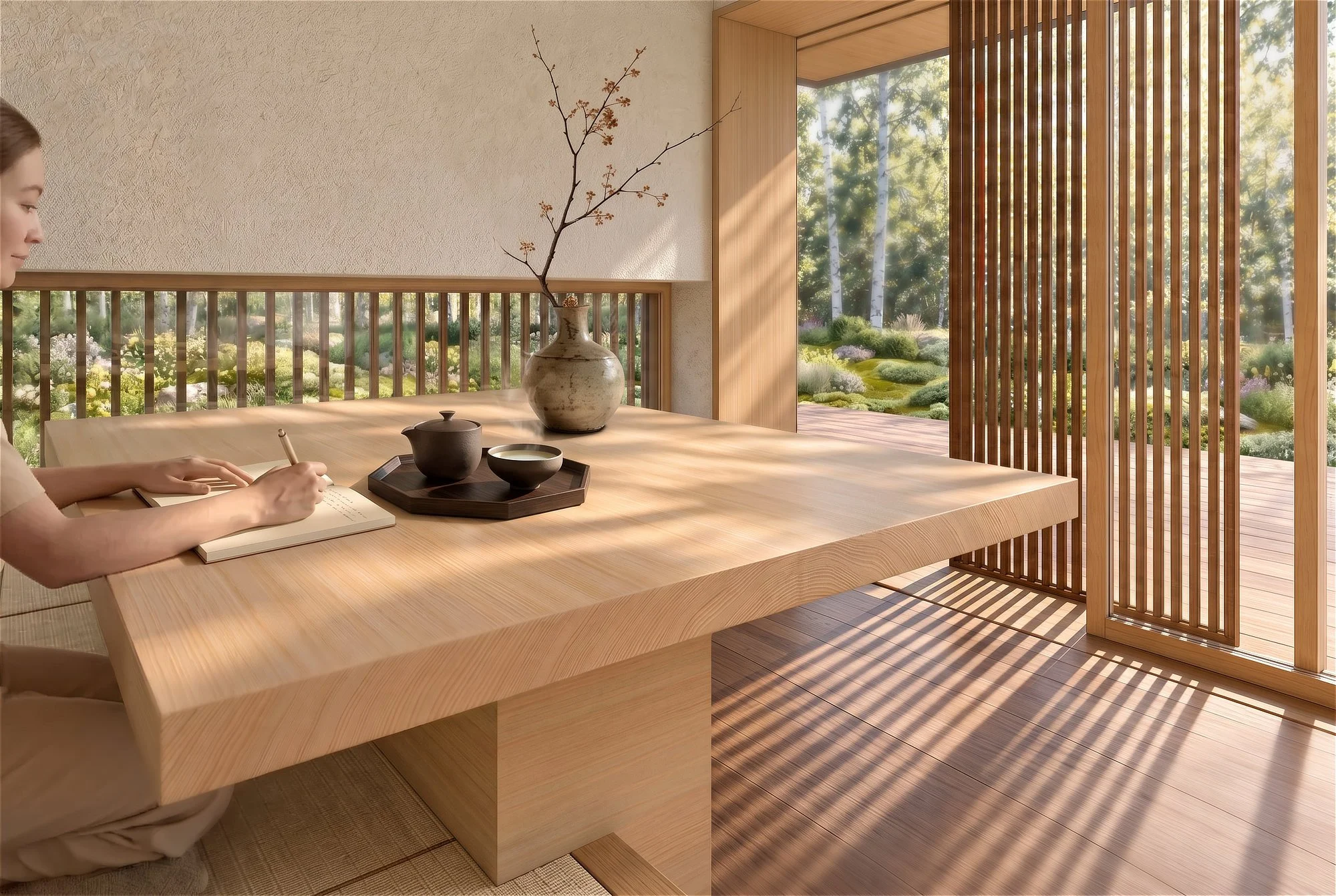
Experiencing spaces with all our senses.
Our surroundings shape our mood. Places and spaces tell stories. Colours, materials, light, scents and sounds all contribute to the impression we form as we enter a space.
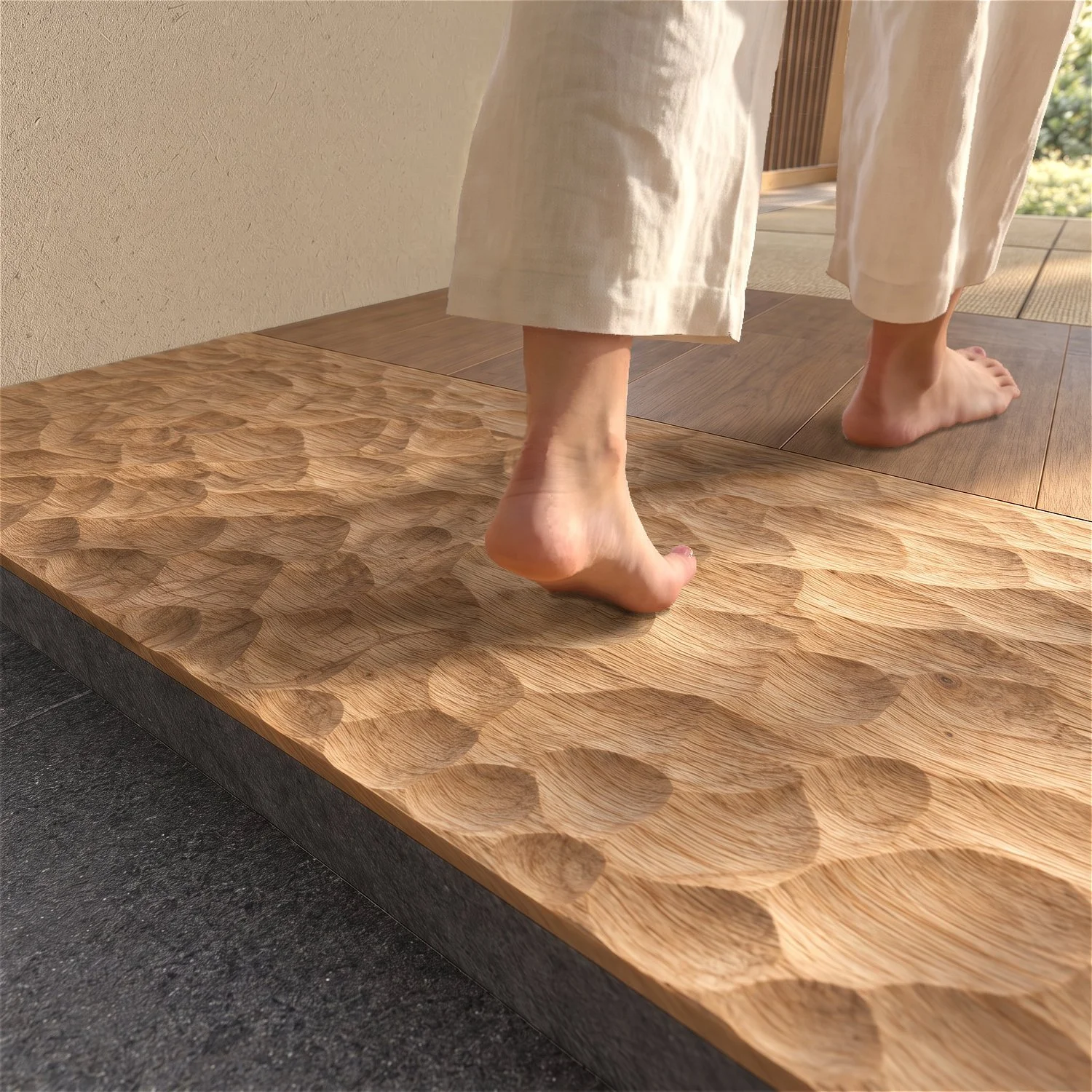
We sense much of this without consciously thinking about it. The warmth of wood beneath our feet, filtered light on a wall, a gentle breeze through an open corridor or the rustle of leaves outside the window.
We approach this human experience with care. We want to create spaces where people feel calm, safe and grounded. Places that invite us to pause for a moment, become present and allow ourselves simply to be.
Light, air and time play an essential role. Through them, we sense the passage of the day and the changing seasons. In this way, architecture becomes a setting in which we can consciously experience the present moment.
Japanese spatial philosophy in
contemporary practice
Our architectural language is rooted in a lived connection to Japanese spatial culture. We translate its principles into individual design solutions that respond to the needs of our time.
We design from the inside out. We begin with how we want a space to feel and use that experience to shape floor plans, proportions, openings and transitions. From the outset, we consider light, materials and nature as parts of a whole.
Simplicity
Simplicity comes from conscious choices. We focus on the essential and leave room for the people who bring a place to life.
The Japanese concept of ma draws our attention to the space in between, to intervals, pauses and the relationships between things. What we leave open also shapes how we experience a space.
Light
Natural light is a design element. It allows us to sense the time of day and the seasons, changing the atmosphere of a space as time passes.
We shape openings, room depths and privacy screens to guide the light. Translucent elements such as paper-covered shōjiscreens can filter direct sunlight and allow soft light to enter a space.
Transitions to nature
For us, the engawa, a veranda between the interior and the garden, embodies the connection between built space and nature. It allows us to be outdoors while still feeling sheltered.
We translate this principle into sheltered terraces, thresholds, views and transitional spaces. Nature becomes part of everyday experience.
Flexibility
Ways of living and people’s needs change. We design spaces that allow for different uses and can open up or become more secluded.
Flowing sequences of spaces and movable partitions allow people to choose how much openness or privacy they need, when to come together and when to retreat.
Materiality and time
We approach materials with great sensitivity. We favour high-quality natural materials, a limited material palette and muted tones that work with the colours of nature.
We see natural ageing as part of the design. We allow wood to darken and surfaces to show signs of use. Over time, materials can gain character and reveal the history of a place.
Nature through all the senses
A sense of connection to nature also grows through sound, air and touch. Rustling leaves, the wind or the sound of water can enrich our experience of a place.
Where the site and the brief allow, we make room for these experiences. In this way, we develop a sensitive architectural language that connects people with their surroundings.
Our actions reflect our values.
Our values guide every design decision.
We return to the same questions as we review our work.
Does it support health and well-being?
Does it encourage personal growth?
Does it create stillness and clarity?
Does it foster connection with oneself, with others and with nature?
Does it support conscious living?
Does it respect nature, people and animals?
Is it authentic?
Does it focus on the essential?
These questions guide our work. The answers emerge within each project, through dialogue with the people involved and careful attention to the place itself.
Conscious spaces support conscious living.